
Short-Term Team Training Guide: A Comprehensive Plan
Embarking on a short-term mission requires diligent preparation‚ encompassing spiritual readiness‚ practical skills‚ and cultural understanding for impactful ministry activities.
Short-term team training is paramount for successful and impactful mission trips. It’s a focused preparation process designed to equip individuals with the necessary skills‚ knowledge‚ and spiritual fortitude to effectively serve in a new cultural context. This training isn’t merely about logistical preparation; it’s about fostering a team dynamic built on shared understanding‚ mutual respect‚ and a unified purpose.
Effective training acknowledges the unique challenges and opportunities presented by short-term missions. It prepares team members to navigate cultural differences‚ engage in meaningful ministry activities‚ and prioritize personal safety and well-being. A well-structured program ensures that participants are not only prepared for the tasks at hand but also spiritually grounded and emotionally resilient‚ maximizing their contribution and minimizing potential difficulties during their service.

II. Defining Training Objectives
Clearly defined training objectives are the cornerstone of an effective short-term team preparation program. These objectives should encompass three key domains: skills‚ knowledge‚ and attitudes/behaviors. Skill-based objectives focus on practical competencies – first aid‚ security awareness‚ or specific ministry tasks like teaching or construction. Knowledge objectives address understanding cultural contexts‚ local customs‚ and relevant ministry partner information.
However‚ equally crucial are attitude and behavioral objectives. These aim to cultivate cultural sensitivity‚ humility‚ and a servant heart. Training should foster adaptability‚ respect‚ and a willingness to learn from the local community. Objectives must be specific‚ measurable‚ achievable‚ relevant‚ and time-bound (SMART) to ensure focused training and demonstrable outcomes‚ ultimately maximizing the team’s impact and minimizing potential cultural missteps.
A. Skill-Based Objectives
Skill-based objectives concentrate on equipping team members with the practical abilities needed for a successful and safe short-term mission. These encompass a wide range of competencies‚ directly related to the anticipated ministry activities. Essential skills include basic first aid and emergency response procedures‚ vital for handling unforeseen medical situations in resource-limited settings.
Furthermore‚ security awareness training is paramount‚ covering risk management and personal safety protocols. Depending on the ministry focus‚ specific skills like construction techniques‚ teaching methodologies‚ or medical assistance may be required. Training should be hands-on and practical‚ allowing team members to confidently apply these skills in real-world scenarios‚ ensuring they are prepared to contribute effectively and responsibly to the mission’s goals.
B. Knowledge-Based Objectives
Knowledge-based objectives focus on imparting essential information crucial for navigating the complexities of a short-term mission experience. This includes a thorough understanding of the host country’s culture‚ customs‚ and societal norms‚ fostering respectful interactions and minimizing potential misunderstandings. Team members need knowledge regarding local health concerns‚ prevalent diseases‚ and necessary preventative measures to safeguard their well-being.
Furthermore‚ a grasp of the ministry partner’s work‚ history‚ and goals is vital for effective collaboration. Understanding the local context – political‚ economic‚ and social factors – allows for informed decision-making and sensitive engagement. This knowledge base empowers team members to operate with awareness‚ humility‚ and a genuine desire to learn from and connect with the local community.
C. Attitude & Behavioral Objectives
Cultivating the right attitude and desired behaviors is paramount for a successful and impactful short-term mission. Objectives here center on fostering humility‚ adaptability‚ and a servant heart within each team member. Training should encourage a proactive approach to cultural sensitivity‚ demonstrating respect for local customs and beliefs‚ even when differing from one’s own.
Behavioral goals include active listening‚ empathetic communication‚ and a willingness to learn from the host community. Team members should exhibit patience‚ flexibility‚ and a collaborative spirit‚ recognizing the importance of building meaningful relationships. A positive attitude‚ coupled with a commitment to cultural awareness‚ transforms a mission trip from a task-oriented endeavor into a genuine exchange of understanding and mutual respect.
III. Team Member Assessment & Needs Analysis
A thorough assessment of each team member’s existing skills and knowledge is crucial before embarking on training. This process identifies strengths to leverage and areas requiring focused development‚ ensuring everyone is adequately prepared for the challenges ahead. Pre-trip assessments should evaluate practical skills like basic first aid‚ and also gauge existing cultural awareness.

Identifying knowledge gaps is equally important. Questionnaires‚ interviews‚ or skill demonstrations can reveal deficiencies in areas such as cross-cultural communication or security protocols. This analysis informs the creation of targeted training modules‚ maximizing efficiency and impact. Understanding individual needs allows for a personalized learning experience‚ ultimately enhancing team effectiveness and safety during the mission.
A. Pre-Trip Skill Assessments
Implementing pre-trip skill assessments provides a baseline understanding of each team member’s capabilities. These evaluations should encompass both hard and soft skills relevant to the mission context. Practical demonstrations‚ such as first aid scenarios or basic construction tasks‚ offer valuable insights into applied knowledge. Written assessments can test understanding of security protocols and emergency procedures.
Furthermore‚ assessing communication skills – both verbal and non-verbal – is vital‚ particularly when operating in unfamiliar cultural settings. These assessments aren’t about identifying shortcomings‚ but rather pinpointing areas where focused training will be most beneficial. The goal is to ensure every team member feels confident and competent‚ contributing effectively to the mission’s objectives and overall team success.
B. Identifying Knowledge Gaps
Following skill assessments‚ a crucial step is systematically identifying knowledge gaps within the team. This involves comparing assessment results against the required competencies for the mission‚ highlighting areas where team members lack sufficient understanding. These gaps may relate to cultural norms‚ local languages‚ specific ministry techniques‚ or logistical procedures.
Analyzing these gaps informs the development of targeted training modules. Prioritize addressing critical knowledge deficits that could impact safety‚ effectiveness‚ or cultural sensitivity. Documenting these gaps allows for personalized learning plans‚ ensuring each member receives the support needed. A proactive approach to knowledge gap identification maximizes the impact of training and prepares the team for successful ministry engagement.
IV. Core Training Modules
Core training forms the foundation for a successful short-term mission‚ equipping the team with essential skills and awareness. These modules transcend specific roles‚ providing a shared understanding crucial for effective collaboration. Key areas include cross-cultural communication‚ fostering respectful interactions and minimizing misunderstandings.
Cultural sensitivity and awareness training are paramount‚ emphasizing the importance of understanding local values and avoiding unintentional offense. These modules should delve into both verbal and non-verbal communication nuances. Effective training builds empathy and prepares team members to navigate unfamiliar cultural landscapes with grace and respect‚ ultimately enhancing ministry impact and building lasting relationships.
A; Cross-Cultural Communication

Effective cross-cultural communication is vital for building rapport and avoiding misunderstandings during a short-term mission. This module focuses on equipping team members with strategies for navigating linguistic and communicative differences. Training should emphasize active listening‚ seeking clarification‚ and adapting communication styles to suit the local context.
Understanding that communication extends beyond words is crucial; non-verbal cues‚ such as body language and facial expressions‚ vary significantly across cultures. Team members must develop awareness of these differences to prevent misinterpretations and demonstrate respect. Successful communication fosters trust and enables meaningful connections with the communities served‚ maximizing the impact of the ministry efforts.
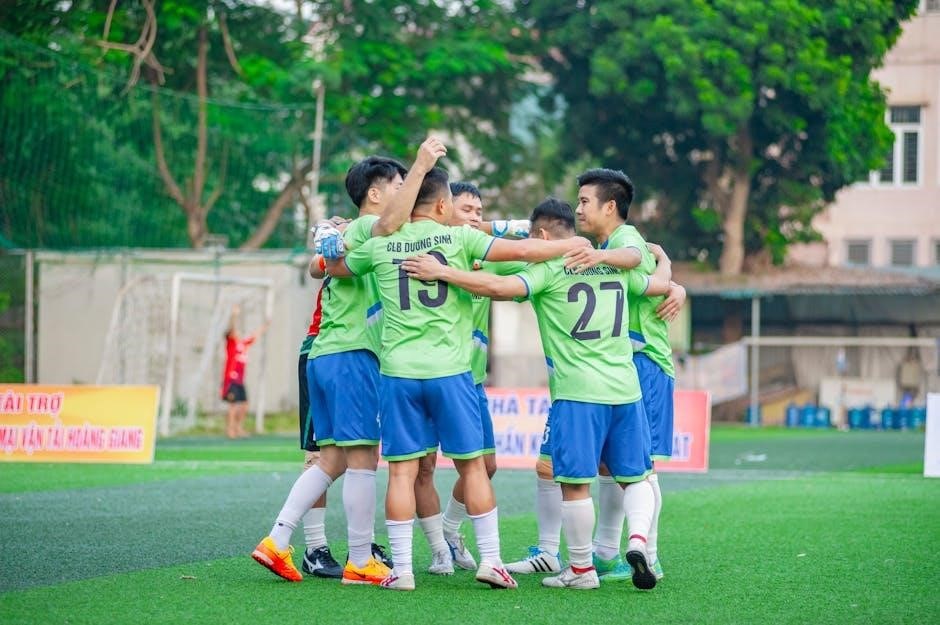
Verbal Communication Strategies
Mastering verbal communication strategies is paramount for effective interaction in unfamiliar cultural settings. Training should prioritize simplicity and clarity‚ encouraging the use of plain language and avoiding jargon or slang. Team members should learn to speak slowly and enunciate clearly‚ allowing ample time for comprehension.
Active listening skills are equally important; this involves paying close attention‚ asking clarifying questions‚ and paraphrasing to confirm understanding. Utilizing interpreters effectively requires sensitivity and respect‚ directing communication to the person‚ not through the interpreter. Patience and a willingness to learn key phrases in the local language demonstrate respect and build rapport‚ fostering stronger relationships with ministry partners and the community.
Non-Verbal Communication Awareness
Non-verbal cues often carry more weight than spoken words‚ making awareness crucial for successful cross-cultural interactions. Training must emphasize that gestures‚ facial expressions‚ eye contact‚ and personal space vary significantly across cultures. What is considered polite in one culture may be offensive in another.

Team members should learn to observe and interpret non-verbal signals cautiously‚ avoiding assumptions based on their own cultural norms. Maintaining respectful posture‚ being mindful of physical touch‚ and understanding appropriate levels of directness are essential. Sensitivity to body language helps prevent misunderstandings and demonstrates respect for local customs‚ building trust and fostering positive relationships within the community and with ministry partners.
B. Cultural Sensitivity & Awareness
Developing cultural sensitivity is paramount for effective and respectful short-term missions. Training should move beyond simply acknowledging differences to fostering genuine understanding and appreciation for diverse worldviews. This involves exploring core cultural values – beliefs about family‚ time‚ community‚ and hierarchy – which shape behaviors and interactions.
Team members must learn to recognize their own cultural biases and how these might influence their perceptions. Avoiding ethnocentrism – judging other cultures by one’s own standards – is critical. Emphasis should be placed on active listening‚ humility‚ and a willingness to learn from local partners. Understanding potential cultural misunderstandings before they occur minimizes offense and maximizes positive engagement.
Understanding Cultural Values
Delving into cultural values forms the bedrock of respectful engagement. Values dictate societal norms‚ influencing communication styles‚ decision-making processes‚ and interpersonal relationships. Training should explore concepts like collectivism versus individualism‚ high-context versus low-context communication‚ and power distance – the degree to which inequality is accepted.
Understanding how time is perceived (monochronic vs; polychronic) is also crucial. Some cultures prioritize schedules and efficiency‚ while others value relationships and flexibility. Recognizing these differences prevents frustration and fosters patience. Examining values related to hospitality‚ honor/shame‚ and religious beliefs provides deeper insight. This knowledge empowers team members to navigate interactions with sensitivity and avoid unintentional offense‚ building trust and rapport.
Avoiding Cultural Misunderstandings
Proactive training minimizes cultural faux pas and strengthens relationships. Misunderstandings often stem from differing non-verbal cues – gestures‚ eye contact‚ personal space – which vary significantly across cultures. Team members should learn to observe and adapt‚ avoiding assumptions based on their own cultural norms.
Directness in communication can be perceived as rude in some cultures‚ while indirectness might be seen as evasive elsewhere. Understanding appropriate levels of formality and addressing individuals correctly are vital. Training should include scenario-based exercises to practice navigating potentially sensitive situations. Emphasize the importance of active listening‚ seeking clarification‚ and demonstrating humility. A willingness to learn and apologize for unintentional errors fosters goodwill and demonstrates respect.
V. Practical Skills Training
Equipping the team with essential practical skills is paramount for safety and effective service. This section focuses on bolstering preparedness for unforeseen circumstances and potential risks encountered during the mission. Comprehensive training in Basic First Aid & Emergency Procedures is crucial‚ covering wound care‚ illness recognition‚ and response protocols. Participants should be certified in CPR and learn to handle common medical emergencies in resource-limited settings.
Furthermore‚ Security Awareness & Risk Management training is vital. This includes understanding local safety concerns‚ practicing situational awareness‚ and learning strategies to mitigate potential threats. Teams should be briefed on emergency communication plans and evacuation procedures‚ ensuring they can respond effectively to security breaches or natural disasters.
A. Basic First Aid & Emergency Procedures
Providing immediate medical assistance can be critical in remote or resource-constrained environments. This module delivers hands-on training in Basic First Aid & Emergency Procedures‚ covering essential skills like wound cleaning and bandaging‚ splinting fractures‚ and managing common illnesses. Participants will learn to recognize symptoms of heatstroke‚ dehydration‚ and allergic reactions‚ alongside appropriate treatment protocols.
Crucially‚ the training includes CPR certification and instruction on utilizing readily available medical supplies. Emphasis is placed on adapting first aid techniques to the local context and understanding limitations. Simulated emergency scenarios will enhance practical application and build confidence in responding to medical crises‚ ensuring the team is prepared to provide initial care until professional help arrives.
B. Security Awareness & Risk Management
Prioritizing team safety necessitates comprehensive security awareness and proactive risk management strategies. This module focuses on identifying potential threats – from petty theft to more serious security concerns – specific to the deployment location. Participants will learn situational awareness techniques‚ including observing surroundings and recognizing suspicious behavior.
Training covers safe travel practices‚ securing personal belongings‚ and establishing communication protocols in emergencies. We’ll discuss strategies for de-escalating potentially volatile situations and avoiding risky areas. A key component is understanding local laws and customs to prevent unintentional violations. The team will develop a risk mitigation plan‚ including emergency contact information and evacuation procedures‚ ensuring a prepared and secure mission experience.
VI. Ministry-Specific Training
Tailoring training to the specific ministry focus is crucial for effective service and impactful engagement. This section delivers specialized instruction based on each team member’s assigned role – teaching‚ medical assistance‚ construction‚ or other designated areas. Participants receive hands-on practice and scenario-based training relevant to their tasks.
Furthermore‚ a thorough orientation to the local context and partner organizations is provided. This includes understanding the community’s needs‚ cultural nuances impacting ministry approaches‚ and the established workflows of collaborating partners. Emphasis is placed on respectful collaboration‚ avoiding duplication of efforts‚ and ensuring sustainable impact. This focused preparation maximizes contribution and fosters strong relationships with local communities.
A. Role-Specific Training (e.g.‚ Teaching‚ Medical‚ Construction)
Dedicated training modules equip team members with the precise skills needed for their assigned roles. For educators‚ this includes culturally relevant teaching methodologies and age-appropriate lesson adaptations. Medical personnel receive updates on local health concerns‚ resource limitations‚ and ethical considerations for providing care. Construction teams undergo safety protocols‚ material usage guidance‚ and building technique instruction suited to the local environment.
Practical exercises and simulations reinforce learned concepts‚ ensuring competency and confidence. This specialized preparation minimizes errors‚ maximizes efficiency‚ and allows team members to contribute meaningfully from day one. Role-specific training fosters a sense of ownership and empowers individuals to excel in their designated ministry areas.
B. Local Context & Ministry Partner Orientation
Immersion in the local context is crucial for respectful and effective ministry. This orientation covers the host country’s history‚ societal norms‚ political landscape‚ and economic realities. Understanding these factors fosters empathy and prevents unintentional offense. Equally important is a thorough introduction to the ministry partner organization – their mission‚ values‚ and ongoing projects.
Team members learn about the partner’s approach to community development‚ preferred communication styles‚ and expectations for collaboration. This fosters a strong working relationship built on mutual trust and shared goals. Direct interaction with local leaders and community members provides invaluable insights and strengthens the team’s commitment to sustainable impact.
VII. Spiritual Preparation & Team Building
A strong spiritual foundation is paramount for navigating the challenges and embracing the opportunities of short-term missions. This phase incorporates daily devotional times‚ focused prayer for the team‚ the host community‚ and the ministry objectives. Scriptural reflection centers on themes of service‚ humility‚ and cross-cultural engagement.
Simultaneously‚ intentional team-building activities cultivate cohesion and trust. These exercises promote open communication‚ conflict resolution skills‚ and a shared sense of purpose. Activities range from shared meals and recreational outings to collaborative problem-solving scenarios‚ fostering interdependence and mutual support. A unified and spiritually grounded team is better equipped to serve effectively.
A. Devotional & Prayer Practices
Establishing consistent devotional and prayer practices is crucial for centering the team’s focus on God’s purpose for the mission. Daily guided devotions‚ utilizing relevant scripture and reflective questions‚ encourage personal spiritual growth and shared understanding. Dedicated prayer times should encompass intercession for the host community‚ local ministry partners‚ and the team’s safety and effectiveness.
These practices aren’t merely routine; they’re opportunities to cultivate sensitivity to the Holy Spirit’s leading. Encourage journaling‚ small group sharing‚ and individual quiet time. Prayer should also specifically address potential cultural challenges and opportunities for impactful ministry. A spiritually prepared team is better positioned to discern God’s will and serve with humility.
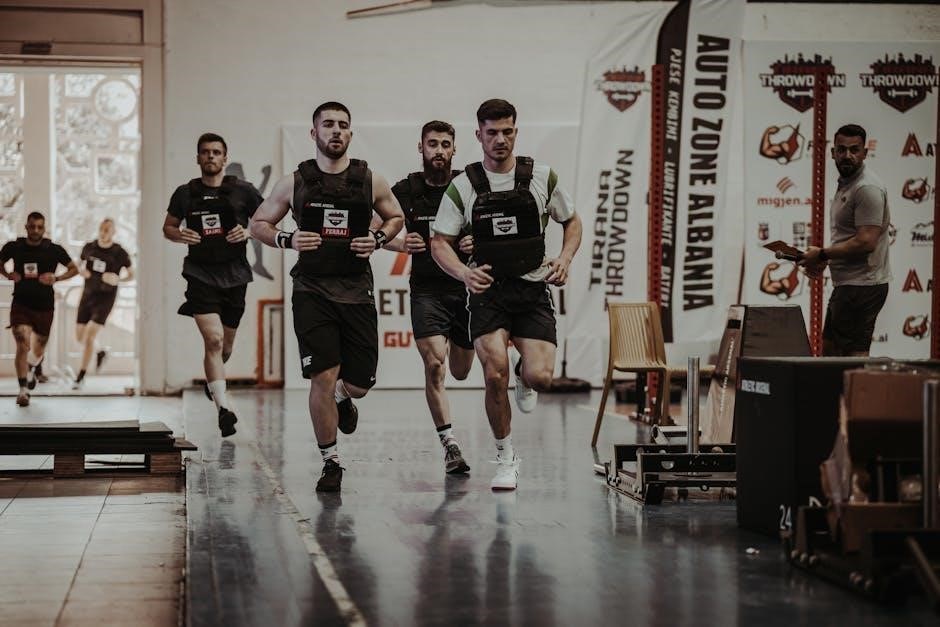
B. Team Cohesion Activities
Building strong team cohesion is paramount for a successful and harmonious short-term mission experience. Implement activities designed to foster trust‚ communication‚ and mutual support among team members. These can range from icebreakers and personality assessments to collaborative problem-solving exercises and shared meals.
Focus on activities that highlight individual strengths and encourage vulnerability. Consider team-building games that simulate challenges they might encounter during the trip‚ promoting collaborative solutions. Open and honest communication should be emphasized‚ creating a safe space for sharing concerns and expectations. A cohesive team functions as a unified body‚ maximizing impact and minimizing conflict during ministry.
VIII. Logistics & Administrative Training
Efficient logistical preparation is crucial for a smooth and stress-free mission trip. This training module covers essential travel procedures‚ including visa requirements‚ passport validity‚ and airline ticketing protocols. Detailed documentation checklists should be provided‚ ensuring all necessary paperwork is completed accurately and submitted on time.
Furthermore‚ comprehensive instruction on expense reporting and budget management is vital. Team members need to understand allowable expenses‚ reimbursement procedures‚ and currency exchange rates. Clear guidelines on handling funds responsibly and maintaining accurate records are essential. Proper administrative training minimizes financial discrepancies and ensures accountability throughout the duration of the trip‚ allowing focus on ministry.

A. Travel Procedures & Documentation
Meticulous travel planning is paramount for a secure and efficient journey. This segment details visa application processes‚ emphasizing required documentation and processing timelines. Passport validity checks are critical – ensure passports have at least six months of validity remaining post-trip. Airline ticketing procedures‚ including baggage allowances and check-in protocols‚ will be thoroughly explained.
A comprehensive documentation checklist is provided‚ covering essential items like travel insurance details‚ emergency contact information‚ and copies of important documents (passport‚ visa‚ itinerary). Participants learn about customs regulations and health requirements‚ including necessary vaccinations. Understanding these procedures minimizes travel disruptions and ensures compliance with international regulations‚ fostering a safe experience.
B. Expense Reporting & Budget Management
Effective financial stewardship is crucial during short-term missions. This training focuses on adhering to pre-approved budgets and meticulously tracking all expenditures. Participants will receive a detailed expense reporting template‚ outlining acceptable and non-acceptable expenses‚ alongside clear guidelines for submitting receipts.
We’ll cover currency exchange best practices and strategies for managing funds securely while abroad. Understanding per diem allowances and the reimbursement process is essential. Participants learn to differentiate between personal and ministry-related expenses‚ ensuring transparency and accountability. Proper documentation and timely submission of expense reports are emphasized‚ facilitating accurate financial reconciliation upon return and demonstrating responsible resource management.

IX. Post-Training Evaluation & Follow-Up
Comprehensive evaluation is vital for continuous improvement of our short-term team training program. Immediately following the trip‚ team members will complete a detailed feedback survey assessing the training’s relevance and effectiveness. This includes evaluating module content‚ practical skill workshops‚ and spiritual preparation components.
Follow-up debriefing sessions‚ facilitated by team leaders‚ will provide a safe space to process experiences‚ share insights‚ and address any lingering challenges. We’ll analyze collected data to identify areas for refinement in future training iterations. Ongoing mentorship and support will be offered to team members‚ fostering continued growth and application of learned skills. This cyclical process ensures our training remains impactful and responsive to evolving needs.